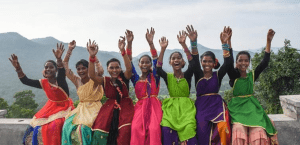
Join a curated convening to co-design financeable, district-level pathways with funders, policymakers, and solution providers.
Financing Community-Led Action for Clean Energy Transitions
19 March 2026 | New Delhi | 4.30 – 6.00 pm
India’s clean energy future is being shaped on the ground—by communities, particularly women—even as access to finance, skills, and markets remains limited. Oneworld Colab is convening funders, policymakers, financial institutions, CSR and philanthropic leaders, solution providers, and frontline partners to co-design financeable, place-based pathways that turn local leadership into lasting, equitable impact.
What you’ll gain:
- Co-create actionable solutions with peers
- Align public, private, and philanthropic resources
- Design pilot partnerships that accelerate community-led transitions across India’s most climate-vulnerable districts
Through evidence-anchored discussions, collaborative design, and frontline insights, we turn climate ambition into tangible progress—shaping energy transitions that are inclusive, resilient, and locally anchored.
→ Request your invite: https://forms.office.com/r/g4L03Zsgd9